WHAT IS A MICROFOREST?
A microforest is a very dense planting of native trees, shrubs and groundcover on a relatively small area of land. Developed by Japanese botanist Akira Miyawaki, the Miyawaki method allows for the rapid creation of a biodiverse, dense forest. Plants are planted very close to each other, simulating conditions found in natural forests. This density encourages plants to support each other, leading to faster growth. Native species are used because they are best adapted to the local climate and soil conditions, which increases their chances of survival and growth.
The trees, shrubs and groundcover are planted very close together creating a dense and compact ecosystem. This density means that plants have to compete for light and space, which stimulates their upward growth and the development of their root systems. As a result, plants grow faster and create a stable, self-sustaining ecosystem in less time.
The fast-growing system will deliver extraordinary ecological benefits including shade and cooling, stormwater uptake and purification, flood abatement, wildlife habitat, a carbon sequestration against climate change and provide environmental education opportunities for students, residents and visitors to the area.
MLNP MICROFOREST
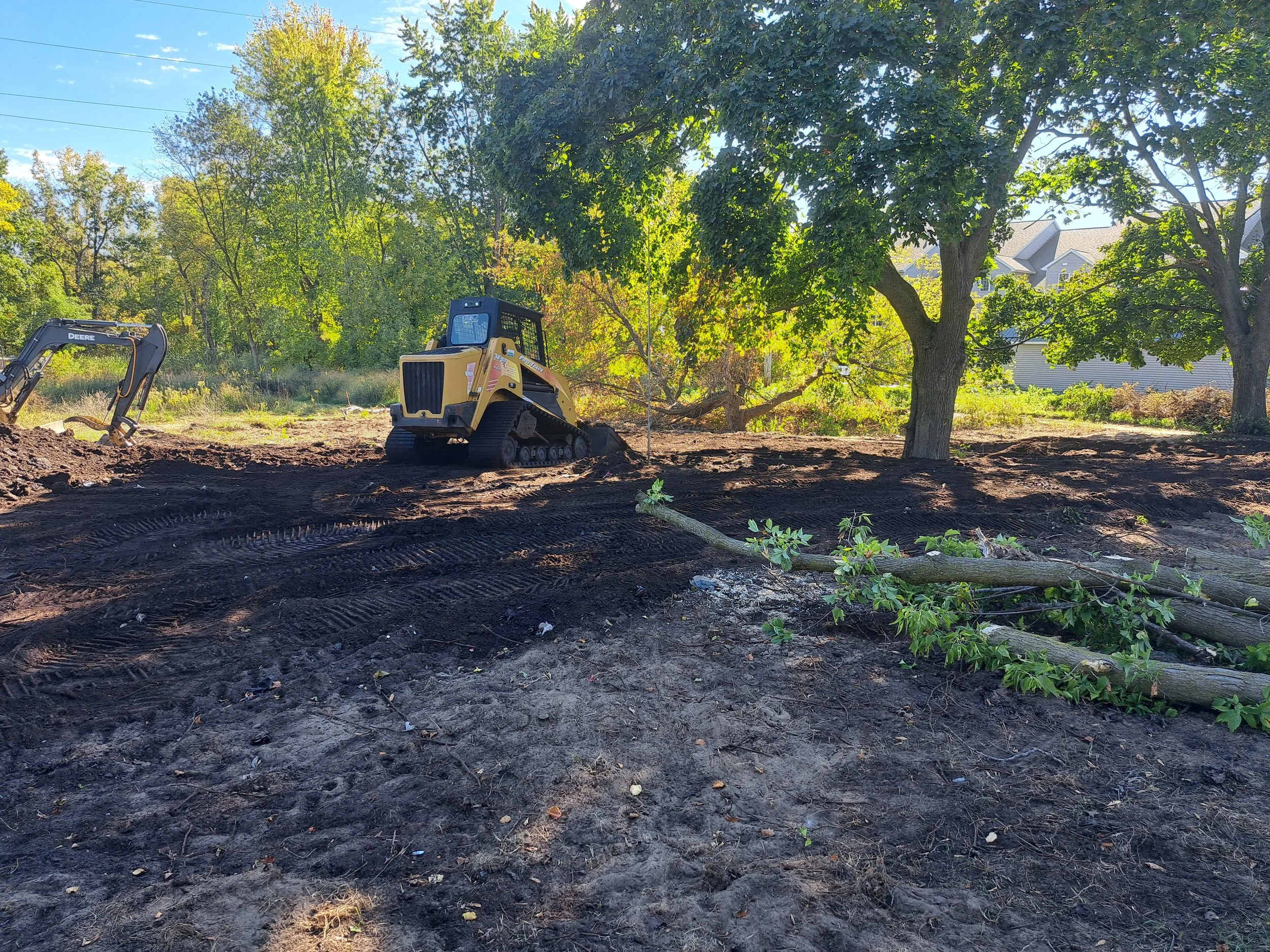
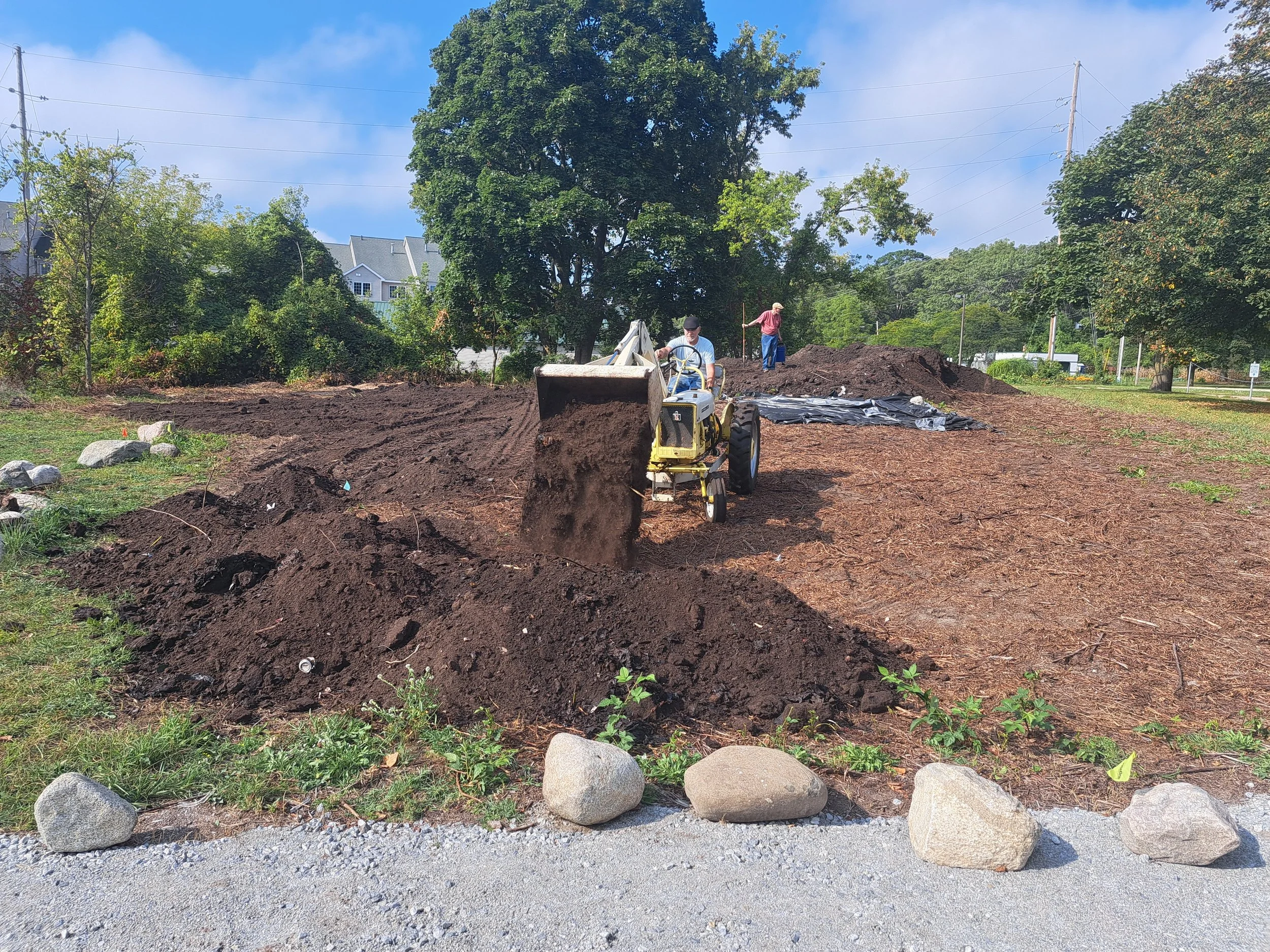
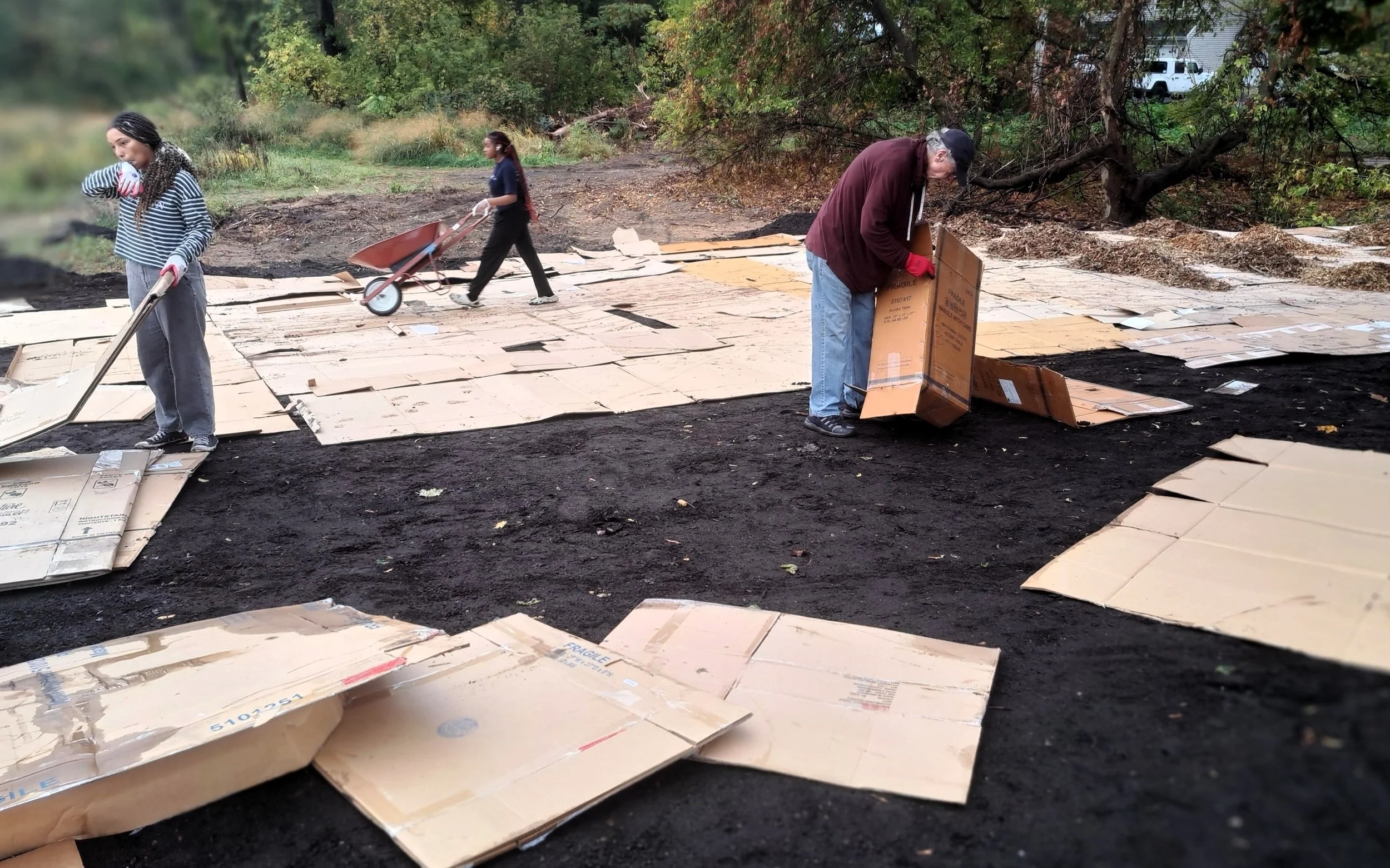
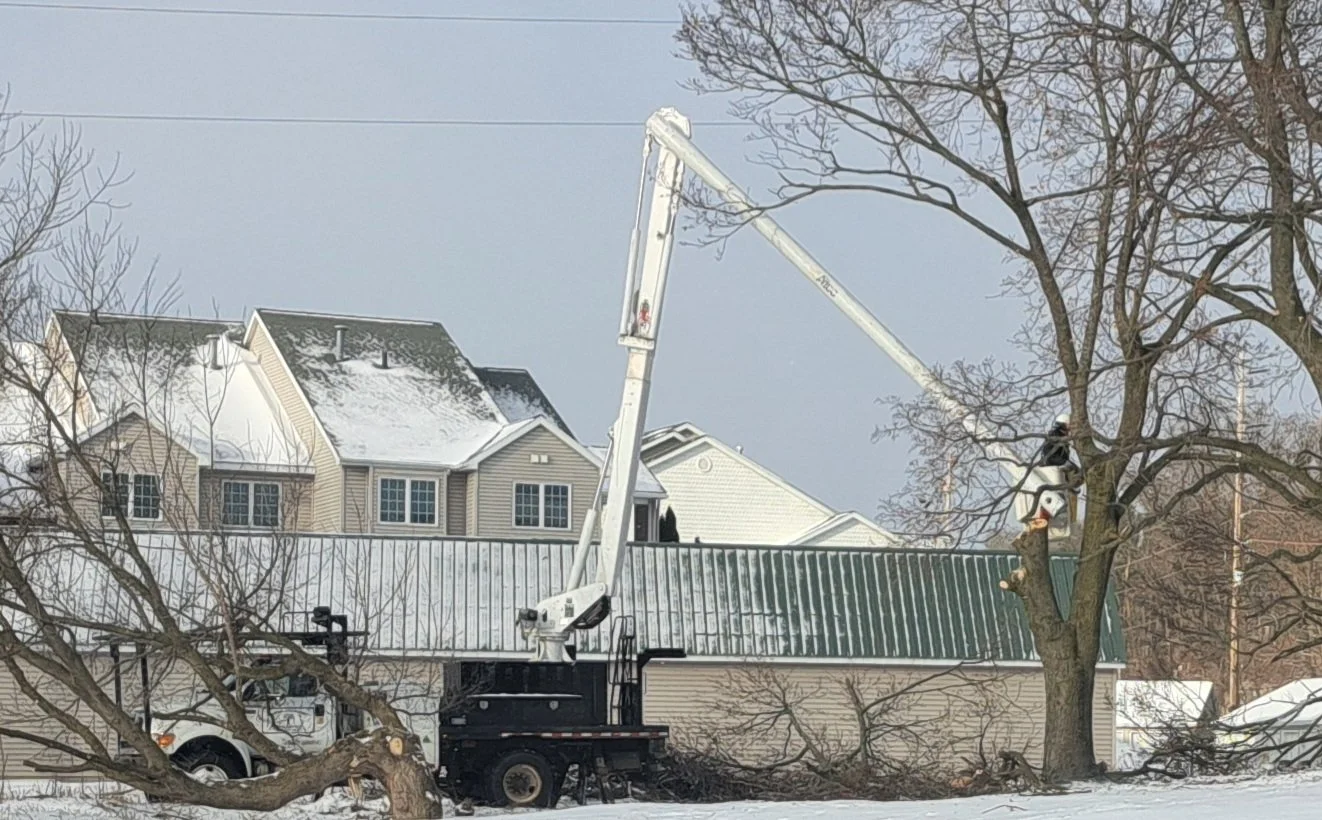
The MERES Board of Directors approved the creation of the microforest in August 2025. The first phase of the project began in October, when 23 volunteers began the process of establishing a simulated forest floor. The first step involved spreading six to eight inches of compost on the ground. Sheet cardboard was then placed on top of the compost and finally the cardboard was covered with recycled woodchips. The site then sat untouched for six months to allow the woodchips and cardboard to break down.
PLANTING
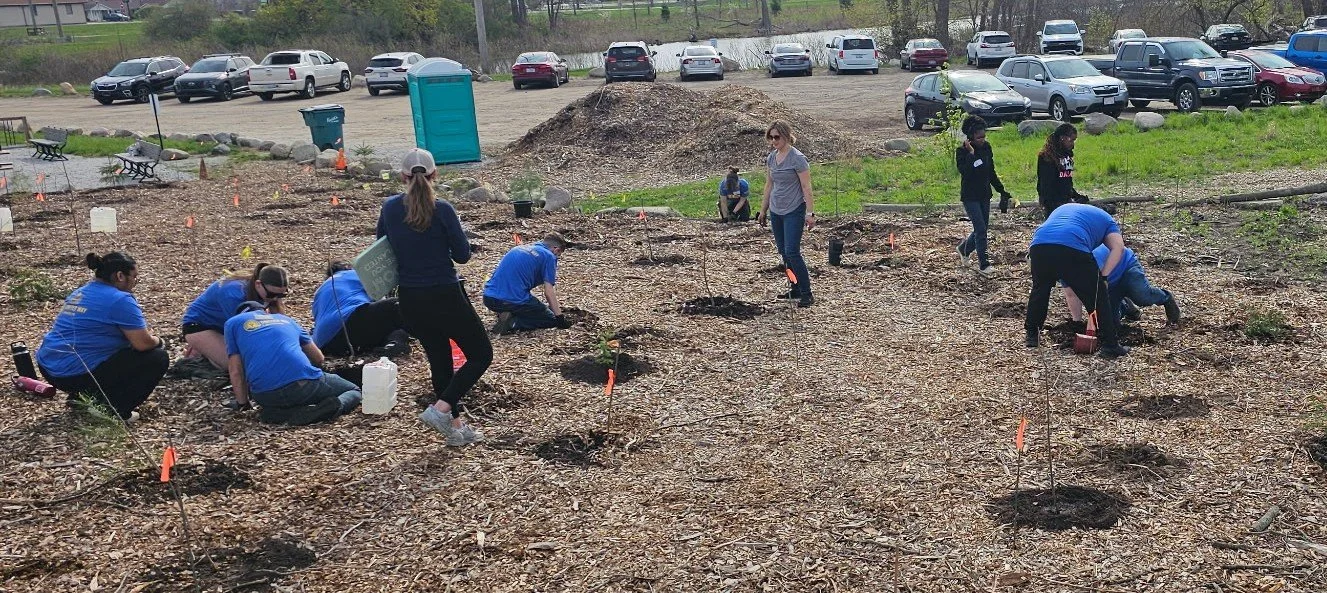
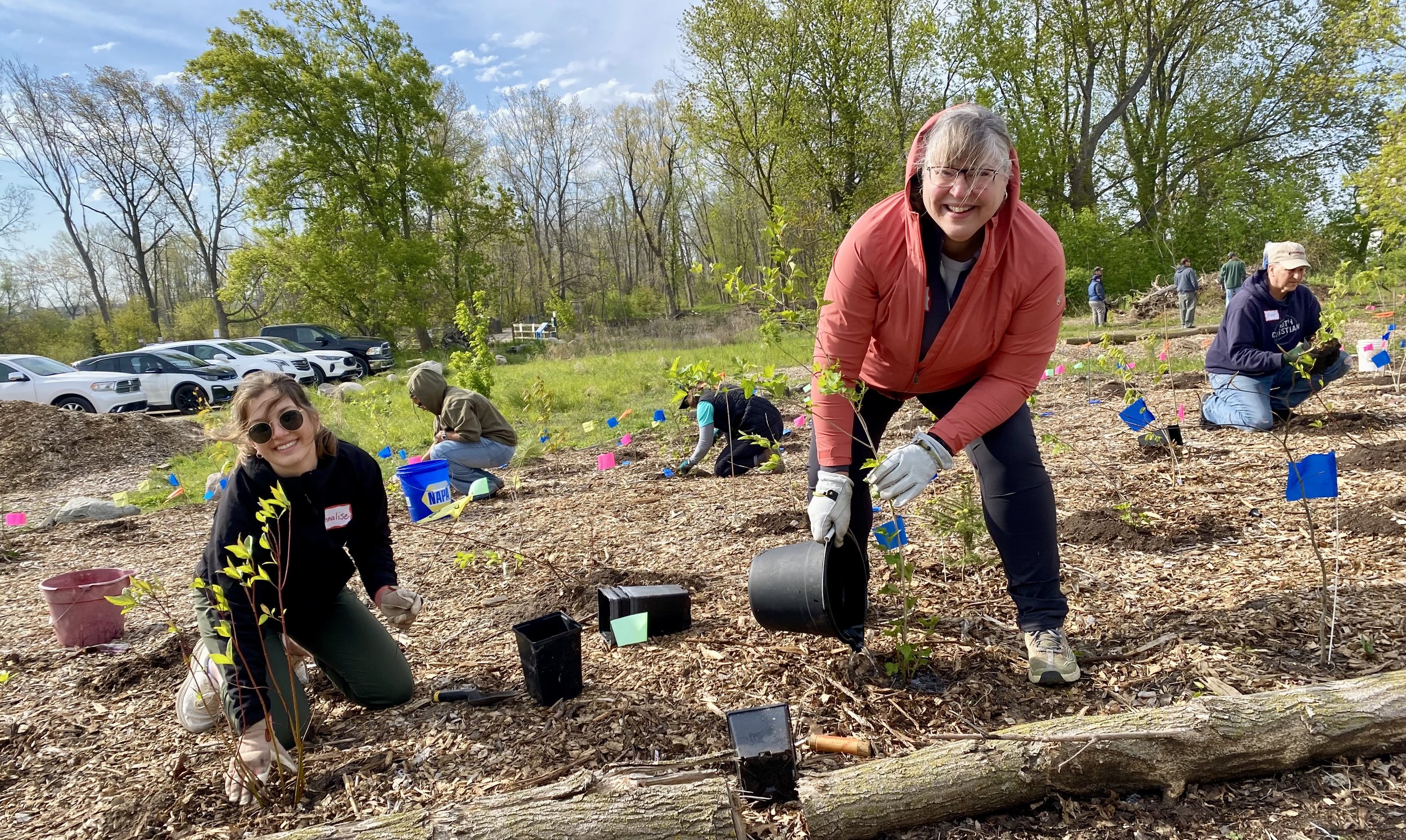
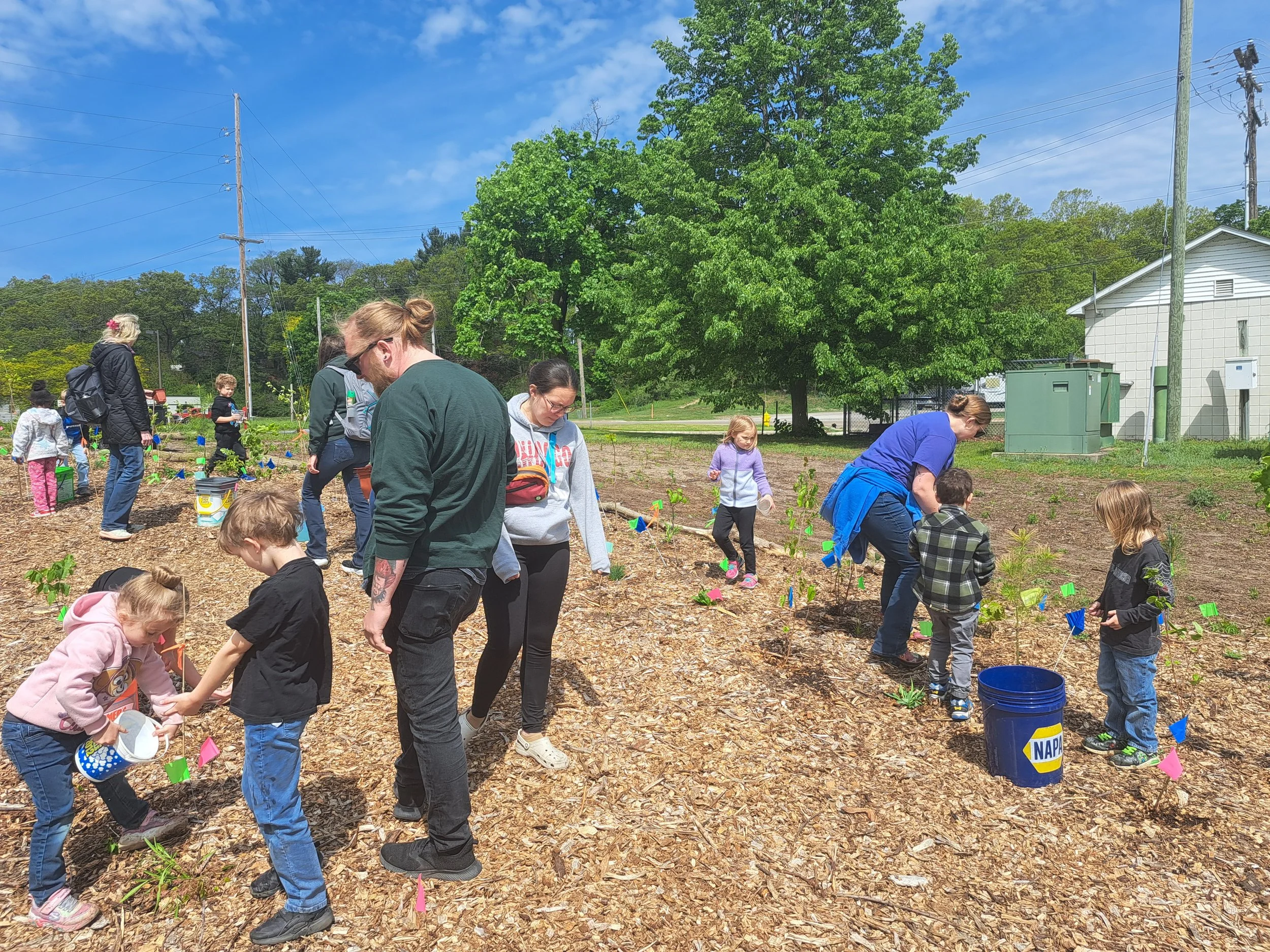
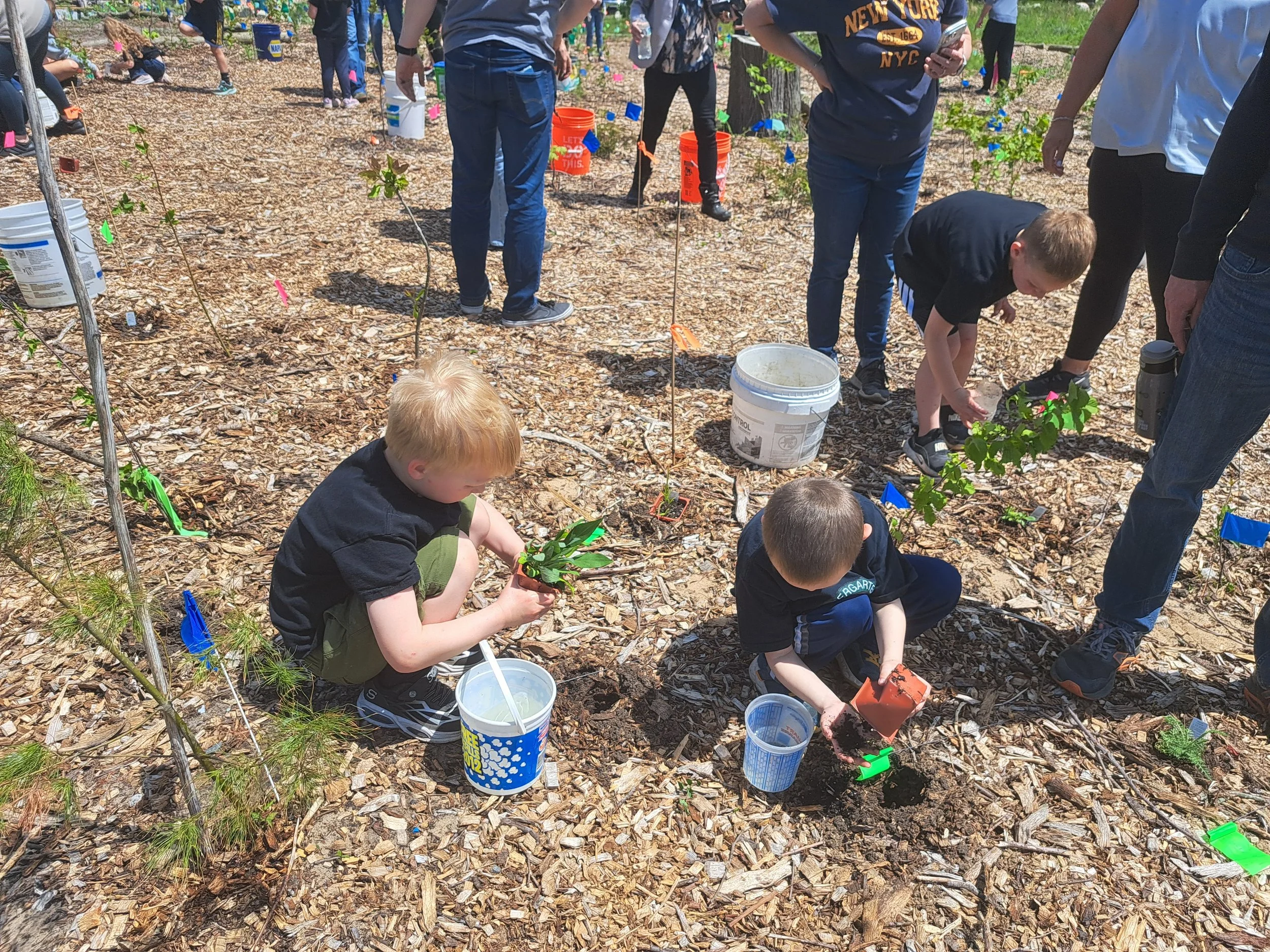
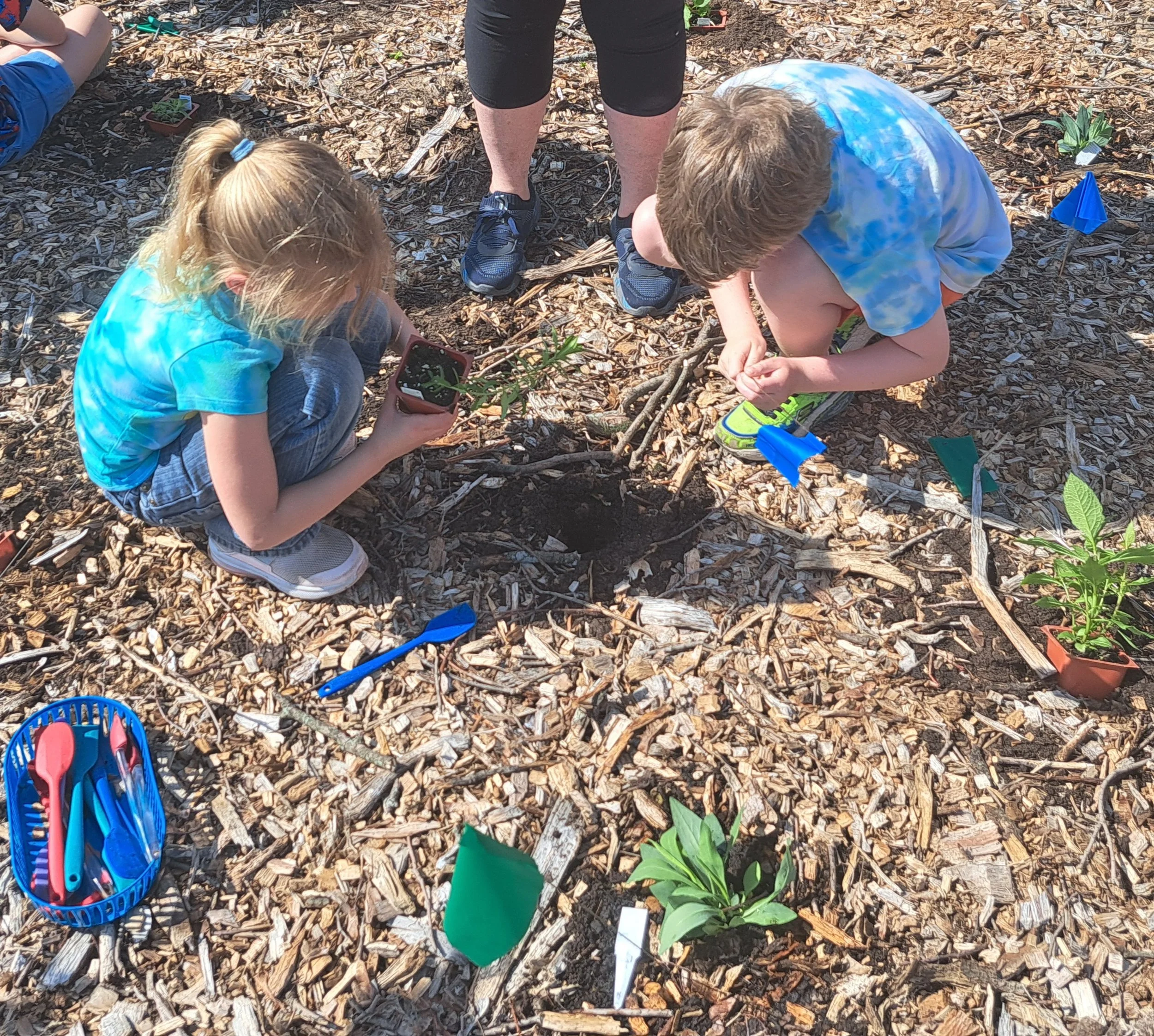
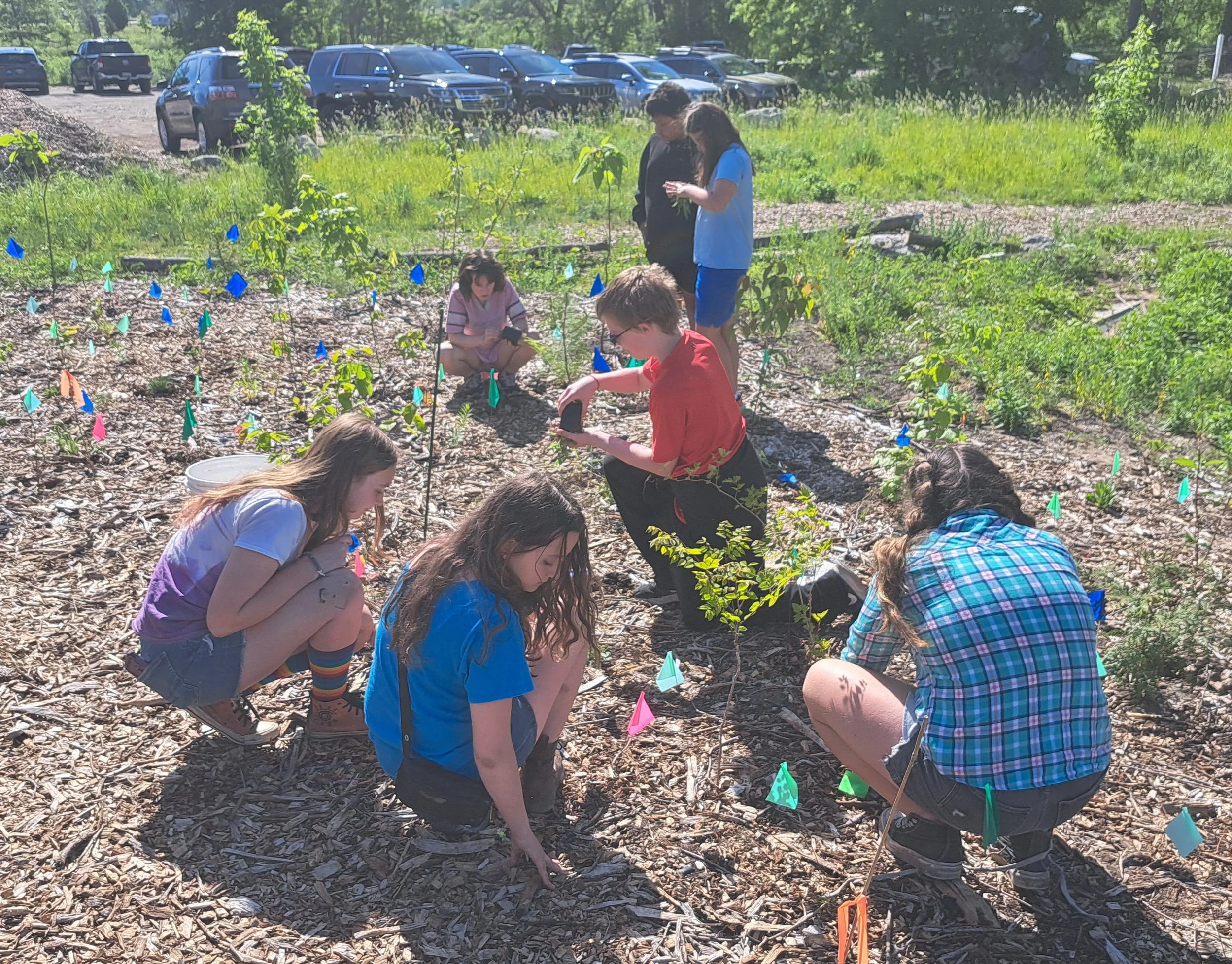
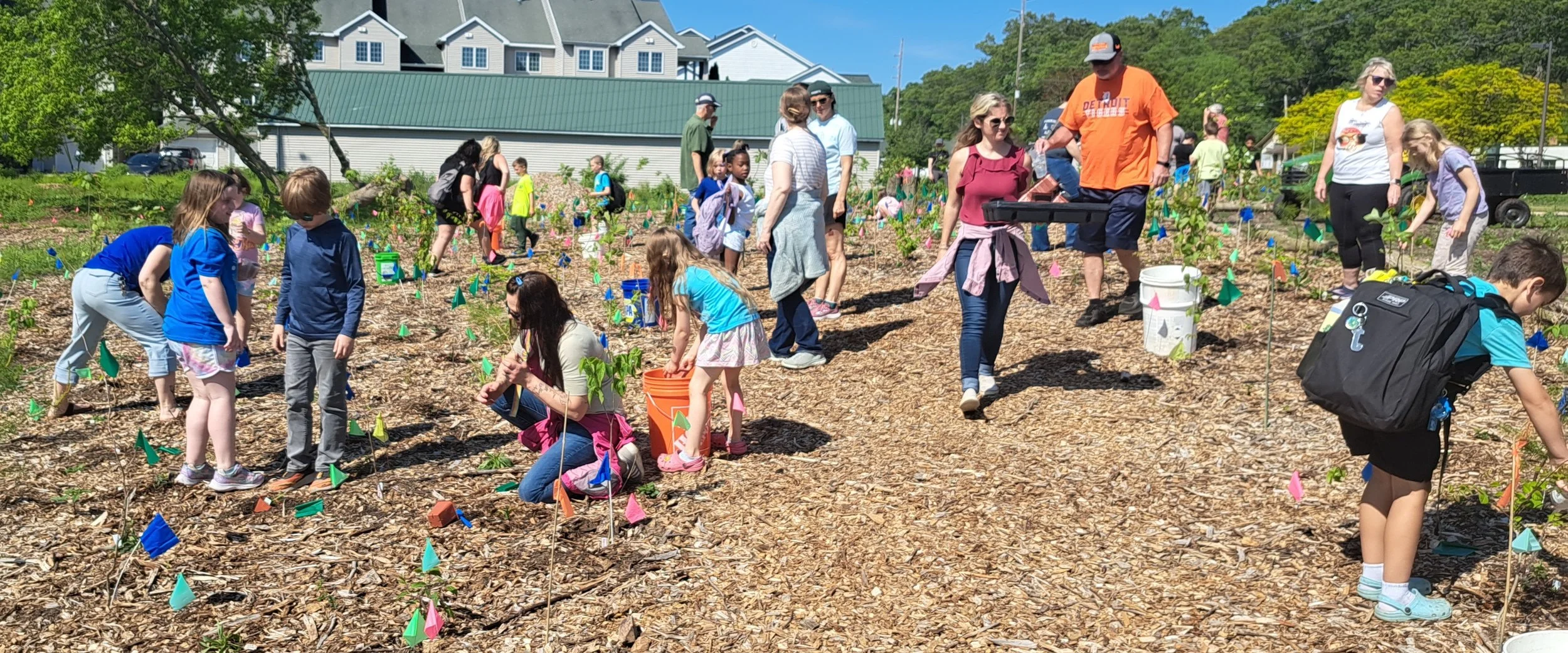
Planting took place in late April and all of May. Trees were planted first, followed by shrubs and then groundcover. The trees were planted by United Way Day of Caring Volunteers, the shrubs were planted by the Muskegon Rotary Club, the Grand Rapids Rotary Club and the Orchard View High School Interact Club and the groundcover plants were planted by students from Twin Lake Elementary School, Pennsylvania Elementary School, Central Elementary School and Reeths Puffer Intermediate School!
IRRIGATION
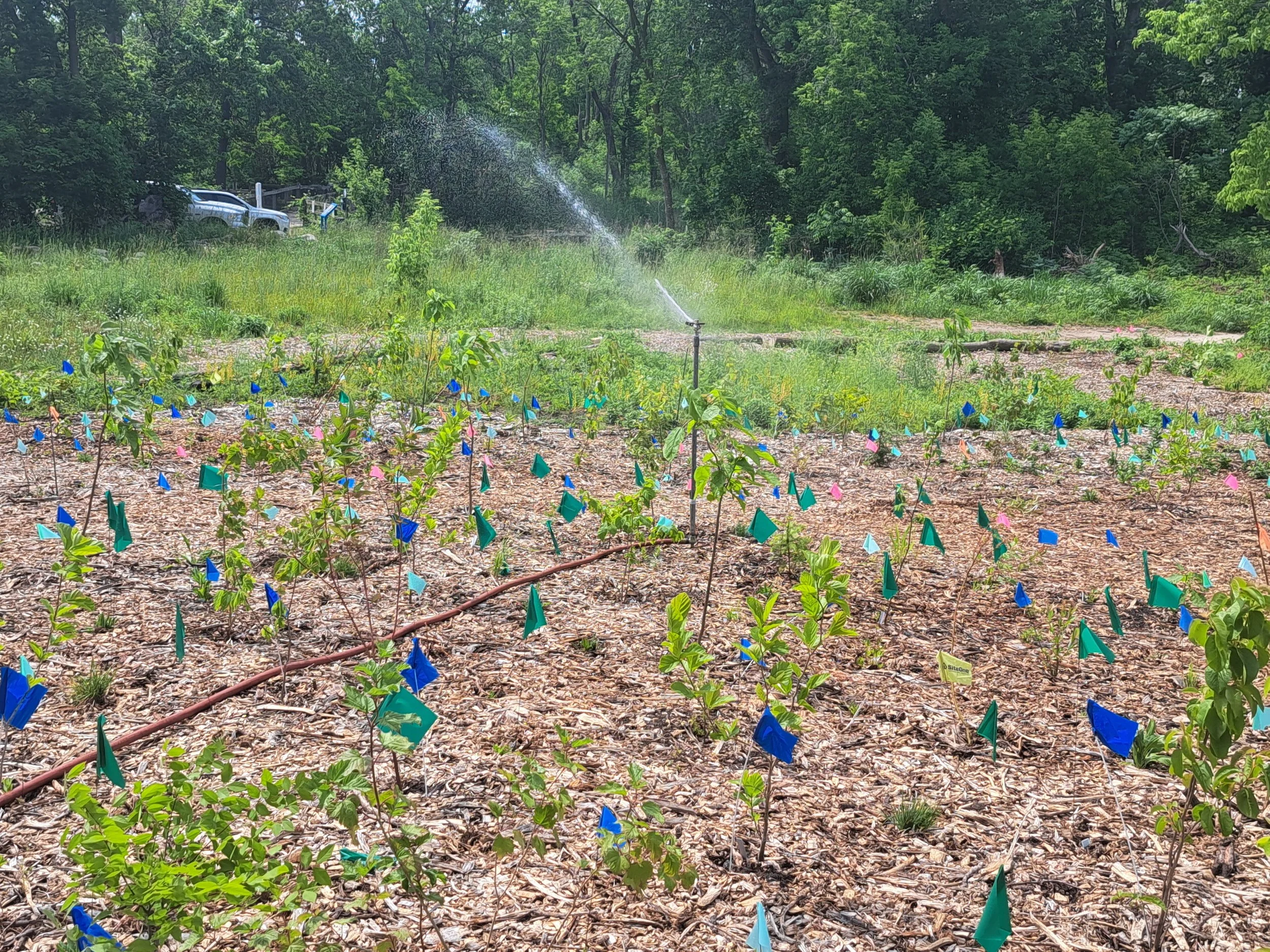
Working with the City of North Muskegon DPW, a metered connection was made to a nearby fire hydrant. From the hydrant, a water line was run to a three way hose valve and three sprinkler stations were established. The irrigation system will only be used when there is little or no rain.
PARTNERS
The Muskegon Rotary Club, City of North Muskegon DPW, City of Muskegon, Reeths Puffer Schools, H&H Landscape Supply, United Way of the Lakeshore, Blended Furniture, PADNOS Recycling and McFarland and Sons Tree Service are all partnering with the Preserve to make this project possible. Keely Dunham volunteered to serve as the project manager for this undertaking and John Noling, a member of the Muskegon Rotary Club has been instrumental from day one in helping establish the MLNP microforest.
FINANCIAL SUPPORT
If you would like to help support the creation of the MLNP microforest, please consider donating towards the purchase of trees, shrubs and groundcover, establishing a walking path, signage and other related expenses. You can donate by clicking on Click to Donate button below. Donations can also be made by sending a check or money order to the Muskegon Lake Nature Preserve at P.O. Box 5038, North Muskegon, MI 49445-0038.